.png&w=1280&q=75)
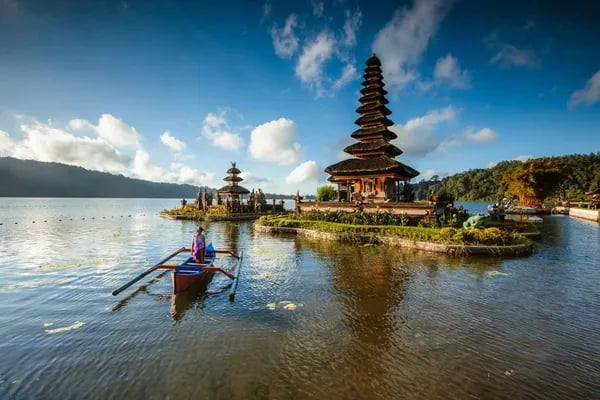


The first time stepping off the plane in Bali, the warmth hits before the sun ever does—part humidity, part the infectious grins of locals offering help unprompted. One traveler, arriving at midnight, was handed a single frangipani flower at the airport and instantly felt at home. That was years ago, but Bali’s uncanny welcome remains legendary. Skip the predictable snapshots for a tour of the living, breathing energy behind the world's favorite 'Island of Gods.'
More Than Sun and Sand: A Destination That Recharges the Soul
Bali’s reputation as a paradise for surfers is only the beginning of its story. Over the years, the island has transformed into a holistic lifestyle mecca, drawing not just wave-chasers but also wellness seekers, spiritual pilgrims, yogis, designers, and celebrities. This evolution is rooted in Bali’s deep Cultural Heritage—a living tapestry of rituals, architecture, and daily customs that set it apart from other tropical destinations.
Everywhere you look, Bali’s landscapes are dotted with more than 10,000 Hindu temples. These sacred spaces, from the majestic Pura Besakih to the clifftop Pura Luhur Uluwatu, anchor the island’s spiritual identity. Daily life is colored by the canang sari offerings—small, handwoven baskets filled with flowers and incense—placed on doorsteps, shrines, and even motorbikes. These acts of devotion are not just for show; they reflect the Balinese belief in harmony and gratitude, shaping the rhythm of everyday life.
One of the most remarkable cultural experiences is Nyepi, the Balinese New Year. In March, the island comes alive with vibrant parades featuring ogoh-ogoh—giant demon effigies—before entering a 24-hour period of complete silence. During Nyepi, the entire island, including the airport, shuts down. No lights, no vehicles, and no noise. For visitors, it’s a rare opportunity to witness a community-wide commitment to reflection and renewal, a testament to the island’s enduring Cultural Heritage.
Beyond temples and ceremonies, Bali’s landscapes are equally captivating. The UNESCO-listed Tegallalang rice terraces are a favorite among both spiritual seekers and photographers. Cycling through these emerald-green paddies with a local guide offers a unique perspective on the island’s agricultural traditions and the importance of sustainable practices. Recent years have seen a growing emphasis on Sustainable Tourism, with travelers encouraged to engage more deeply with local culture and support eco-friendly initiatives. Research shows that in 2025, Bali Tourism is focusing on promoting longer, more meaningful stays and encouraging higher spending that benefits local communities.
But perhaps what truly sets Bali apart is the warmth of its people. Balinese hospitality is legendary—visitors often remark on how quickly strangers become friends. Whether sharing a meal, joining a temple ceremony, or simply chatting with a local driver, there’s a genuine sense of connection and well-being that permeates every interaction. As Giordano Faggioli, general manager of Ayana Estate, puts it:
"Bali offers everything from relaxation and exploration to spiritual rejuvenation and adrenaline-pumping adventures."
This unique sense of belonging is woven into the fabric of Bali’s Cultural Heritage and is a cornerstone of the island’s appeal. The focus on Sustainable Tourism ensures that as Bali continues to welcome a growing number of visitors—over 470,000 in March 2025 alone—the island’s traditions and natural beauty remain protected for generations to come.

Neighborhood Charisma: Where the Island’s True Color Shines
Bali’s neighborhoods are as diverse as its landscapes, each offering a distinct flavor that appeals to every type of traveler. As Bali Tourism continues to thrive—research shows a 4.47% increase in tourist visits in March 2025 alone—these charismatic enclaves are at the heart of the island’s enduring appeal.
Seminyak Beaches: Where Nightlife Meets Luxury
Seminyak stands out as Bali’s premier beach district, seamlessly blending high-energy beaches with a vibrant nightlife and upscale living. Here, the shoreline is dotted with world-famous beach clubs like Potato Head and Ku De Ta, where sunset cocktails and DJ sets are the norm. The area is also home to luxury villas, boutique hotels, and designer shops, making it a magnet for those who crave both relaxation and excitement. As one guest put it,
'The long turquoise pool at Katamama Suites is perfect for travelers who crave both serenity and connection.'
With its lively atmosphere and endless options for dining and entertainment, Seminyak Beaches remain a cornerstone of Bali Tourism, attracting visitors from Australia, India, Europe, and beyond.
Canggu Nightlife: The Trendsetting Hub
Just up the coast, Canggu has rapidly evolved into a hotspot for digital nomads, surfers, and culinary creatives. Once a sleepy surf village, Canggu now buzzes with stylish boutiques, boho surf shops like Drifter, and hip vegan cafés. The nightlife here is as dynamic as the crowd, with beach bars and live music venues drawing in a youthful, international audience. Canggu’s surf breaks, such as Batu Bolong, are legendary, and the area’s laid-back yet trendsetting vibe continues to set the pace for modern Bali Tourism.
Ubud Serenity: The Spiritual and Artistic Heart
Moving inland, Ubud offers a different kind of energy—one rooted in wellness, art, and spirituality. Known globally since the days of “Eat, Pray, Love,” Ubud has grown into a sanctuary for yoga enthusiasts, artists, and seekers of tranquility. The Yoga Barn, with over 100 classes each week, draws wellness travelers from around the world. Ubud’s markets, vegan restaurants, and lush rice terraces create an atmosphere of calm and creativity, making it the epicenter of Ubud Serenity. Here, visitors can immerse themselves in Balinese culture, explore ancient temples, or simply unwind amid the emerald jungles.
Wild Card: Nusa Lembongan’s Untouched Charm
For those looking to escape the crowds, Nusa Lembongan—along with neighboring Nusa Penida—offers a glimpse of Bali’s quieter, less developed side. Accessible by a short boat ride from Sanur, this island is a haven for saltwater adventures, from snorkeling and diving to surfing uncrowded waves. The pace is slower, the beaches less crowded, and the vibe reminiscent of old Bali. It’s a favorite for travelers seeking a more authentic, off-the-beaten-path experience.
Each neighborhood—Seminyak, Canggu, Ubud, and the Nusa islands—showcases a unique side of Bali. Whether it’s the buzz of Seminyak Beaches, the creative pulse of Canggu Nightlife, the peaceful embrace of Ubud Serenity, or the untouched charm of Nusa Lembongan, Bali’s neighborhoods are where the island’s true color shines. Studies indicate that this diversity is a key driver behind Bali Tourism’s ongoing growth, ensuring there’s something for everyone on this ever-evolving island.

Bali’s Art of Living: Staying, Eating, and Shopping in the Now
Bali’s modern allure goes far beyond its famous beaches. For the contemporary explorer, the island offers a unique blend of tradition, luxury, and creativity—a combination that continues to draw foreign tourists and keep Bali tourism thriving. Research shows that the average length of stay for foreign tourists in Bali has increased to 3.01 nights by November 2024, a testament to the island’s growing appeal and the depth of experiences available.
It often starts with a sunrise. Imagine waking at 3 AM, hiking up Mount Batur, and watching the first light spill over volcanic peaks. As one traveler put it,
“The sun rising over Mount Batur is a reminder—I never regret setting my alarm for 3 AM.”After the descent, a simple nasi campur at a roadside warung completes the moment—an authentic taste of Bali’s living, where every day can begin with adventure and end with local flavor.
When it comes to where to stay, Bali’s accommodations set a global standard. The Four Seasons Resort at Sayan, famously chosen by the Obamas and Julia Roberts, offers secluded villas with private pools in a lush jungle setting. Capella Ubud is another standout, featuring 22 unique tented retreats suspended above the forest floor, each designed to blend seamlessly with nature. Katamama Suites in Seminyak celebrates Indonesian craft with a modern twist, while Como Uma Canggu delivers wellness and surf culture right on the coast. For romance and privacy, Ayana Villas provides 78 exclusive villas surrounded by ocean views and tropical gardens.
Bali’s culinary scene is equally innovative. At Zest in Ubud, plant-based cuisine takes center stage, with dishes like jackfruit steak and cassava fettuccini served beneath a living frangipani tree. Cuca Restaurant offers a nine-course vegetarian-friendly tasting menu, where each dish—from sticky eggplant sushi to BBQ octopus—highlights local ingredients and creative flair. Kaum brings the flavors of Indonesia’s archipelago to the table, focusing on traditional techniques and fiery sambals. Even roadside warungs and hidden gems like Hujan Locale surprise with inventive cocktails and contemporary takes on local classics.
Shopping in Bali is an adventure in itself. Gaya Ceramic, founded by an Italian couple, employs a team of 100 artisans to create handmade ceramics that are both functional and beautiful. Canaan x Rou curates local crafts, from shibori-dyed clothing to artisanal fans and wabi sabi–inspired ceramics. Fashion-forward travelers flock to Magali Pascal for French-inspired womenswear with an earthy Balinese twist, while Drifter surf shop in a reclaimed joglo house offers everything from technicolor boards to original art and boho jewelry.
From mountaintop breakfasts to artisan shopping and hyper-local flavor, Bali’s art of living is a seamless blend of tradition and innovation. This is the Bali Travel Guide for the modern explorer—where every stay, meal, and purchase tells a story, and where Bali tourism continues to evolve for those seeking something truly special.

When to Land in Paradise: Getting Timing and Getting Around Right
Bali Province has long been a magnet for foreign tourists, but timing your visit can make all the difference between a good trip and an unforgettable one. With travel restrictions now eased and flight connectivity better than ever, Bali’s tourism numbers are booming—March 2025 alone saw 470,851 arrivals, a 4.47% increase year-on-year. This growth is no accident. Improved access and targeted promotional efforts have made it easier for travelers from Australia, India, Europe, and beyond to experience the island’s magic.
But when is the best time to land in paradise? For many, the answer depends on what you seek. Bali’s weather is reliably warm year-round, with average temperatures in the high 70s and 80s Fahrenheit. The dry season, from June to August, is widely considered the best time to visit. These months offer daily sunshine and ideal conditions for exploring beaches, rice terraces, and temples. Surfers flock to the west coast from May to October, chasing world-class waves before winds shift to favor the east coast later in the year. Meanwhile, yogis and wellness seekers often prefer the quieter shoulder months, when the island’s spiritual energy feels especially vibrant and the crowds thin out.
Yet, there’s one wild card that sets Bali apart: Nyepi, the Balinese New Year, which falls every March. On this day, the entire island—including Denpasar-Ngurah Rai International Airport—shuts down for a 24-hour silent retreat. No flights, no cars, no lights. Just the sound of nature and, if the skies are clear, a dazzling display of stars. As one visitor put it,
“I thought nothing could top a Bali sunset—until I saw the Milky Way during Nyepi.”For those who time their trip right, Nyepi offers a rare chance to experience Bali’s spiritual core and a sense of stillness that’s hard to find anywhere else.
Getting around the island is another essential part of the Bali experience. While most visitors rent motorbikes for convenience, the absence of Uber and other international ride-sharing apps means local taxis and private drivers are the go-to options for many. Hiring a Balinese driver isn’t just about comfort—it’s a gateway to local insight, hidden gems, and a deeper connection to the island’s culture. Many drivers double as informal guides, sharing stories and recommendations that rarely make it into guidebooks. For those less inclined to navigate Bali’s winding roads on two wheels, this option can transform a trip from ordinary to extraordinary.
Understanding Bali’s seasons, silent festivals, and unique travel logistics is key to a richer, smoother experience. With eased travel restrictions and improved flight connectivity, there’s never been a better time to explore Bali Province. Whether you’re chasing waves, seeking spiritual renewal, or simply soaking up the sun, timing your arrival and choosing the right way to get around will help you make the most of this ever-evolving island paradise.
