.png)
Not-So-Boring Lead Magnet Graphics: How Travel Agents Can Wow Prospects with Canva (and Maybe Even Have Fun Doing It)
If you’ve ever spent half an hour wrestling with a design tool only to end up with something that looked like a school art project, you’re not alone. A few years ago, I tried making my first digital freebie and, well, let’s just say mom politely said, "It’s…colorful!" Thankfully, Canva exists. For travel agents trying to actually wow clients—from dreamers to doers—knowing how to whip up striking lead magnet graphics can be the difference between "meh" and "more bookings." Let’s ditch bland PDFs for good. Here’s a real-world approach (with some friendly detours) to making your next lead magnet shine. Why Travel Agents Should Even Care About Canva Graphics (Hint: It’s Not Just for Pinterest) If you want your lead magnet to stand out, you need more than just information—you need eye-catching Travel Agent Graphics. Today’s browsers are skimmers, so your Lead Magnet Design must grab attention fast. First impressions matter: bad graphics, bad rep. Think about it—a friend of mine booked a trip after seeing a vibrant, branded lead magnet on Instagram. That’s the power of great Lead Magnet Graphics. It’s not just about looks, either. Research shows that clear, professional Canva Templates lead to more downloads and, ultimately, more clients. Consistent branding builds trust and keeps your agency’s vibe strong across all Travel Agent Lead Magnets. Even a little branding goes a long way, and Canva’s templates are a hidden treasure for travel agents. Visual identity is the first handshake with your traveler. Make it a firm one. – Jane Doe, Travel Marketing StrategistThe Art of Imperfect Canva: Letting Go of Perfection (and Embracing Video Backgrounds) Ready to ditch boring lead magnet graphics? Start with a blank slate in Canva—even if it feels intimidating. Pull in an energetic Canva Video Background (think: a calming beach escape) to instantly boost engagement. Research shows that a little motion grabs attention and keeps prospects interested, especially for travel marketing graphics. Just double-check your video choice—accidentally setting a volcano instead of a beach? Not so relaxing! Next, layer in your brand colors using simple shapes. Don’t be afraid to play with textures and overlays. The secret? Aligning elements in Canva makes your design look polished, not homemade. Even basic rectangles and icons, when properly placed, can elevate your lead magnet graphics. As Olivia Grant, Digital Branding Coach, says: Motion in your marketing is motion in your sales funnel. Let go of perfection and have fun experimenting!The Secret Sauce: Embedding Travel Guide Covers for Real-World Relatability Want your lead magnet graphics to stand out in travel agent marketing? Start by uploading your best Travel Guide Cover designs into Canva. Choose the ones you’re truly proud of—these are your showpieces. Next, drop your cover into a realistic iPad frame or device mockup. This simple trick instantly signals value and legitimacy to prospects, making your digital assets feel tangible and trustworthy. Clients love seeing their own guides displayed like this; I’ve watched their excitement grow when their brand shines in a polished mockup. Adjust the transparency so your guide cover pops but still blends smoothly with the background. Research shows that realistic device graphics build authority and trust far better than generic stock images. As Lara Kim, Creative Director, says: Seeing is believing—show, don’t just tell your prospects what they’re getting. Let your Canva templates do the talking!Button Up: How a Killer Call-to-Action Changes Everything (and a Little Copy Humor Helps) Ready to turn browsers into leads? Start with a Call-to-Action Button Design that pops but still fits your agency’s vibe. In Canva, use a bold rectangle shape, style it with your brand colors, and skip the boring “Submit.” Instead, try something like “Download Your Dream Guide”—it’s friendlier and way more inviting. Research shows that strong Lead Magnet Call-to-Action buttons sharply increase conversions on lead magnet pages. Don’t forget to hyperlink your button so prospects land exactly where you want them. Place it front and center—never let it get lost in a cluttered layout. Think of your CTA as the punchline to your design’s story. As Samantha Lee, Agency Copywriter, puts it: Your call-to-action is your handshake invitation—make it memorable. Even a simple switch from plain text to a bold, friendly button can boost downloads and engagement.Tiny Details with Huge Impact: Icons, Spacing, and Wrangling Order in Canva Ready to make your lead magnet design pop? Start by hunting down the perfect icon in Canva—think planes, globes, or suitcases. Using icons in Canva as bullet points instantly boosts visual engagement and keeps your travel marketing graphics fresh. Ditch the boring dots and swap in fun images; your readers will notice. When aligning elements in Canva, keep icons tidy, but don’t stress over perfection. Sometimes, a slightly quirky angle draws the eye and sparks curiosity. Before finishing, group and align everything for a polished look, but expect to nudge things around—micro-adjustments matter. Want an extra touch? Drop in a shadow element behind your icons for unexpected sophistication and depth. Details aren’t the cherry—they’re the sundae. – Michael Tran, Branding Specialist Research shows that well-chosen iconography and spacing can turn any lead magnet design into a professional-looking resource.Mistakes to Make (and Keep): Learning, Improvising, and Sharing Your Quirky Design Journey When diving into Lead Magnet Design with Canva Features, don’t chase perfection. Each attempt is a step forward—your graphics will improve with every iteration. Keep a running list of what you’d tweak next time, and don’t forget to celebrate those small wins. Embrace your quirks; authenticity is magnetic in Travel Agent Marketing. Maybe you’ll laugh at your old Comic Sans phase, but that’s part of your story! Share your lead magnets on social media for honest feedback before launching a big Lead Magnet Promotion. Research shows that iterative design and personal branding help you connect with potential clients on a deeper level. As Jordan Myers, Agency Owner, puts it: The best thing I ever did was show my early designs to friends—they laughed, I learned. Don’t let imperfection hold you back—every design is a new opportunity to connect.Quickfire Travel Agent Canva Hacks (to Save Your Sanity) If you want to create standout Travel Agent Graphics in Canva without losing your mind, it’s all about working smarter, not harder. Master those Canva Design Shortcuts—Ctrl+Z will be your best friend when you need to undo a slip. Don’t forget to save your project every ten minutes; Canva crashes can happen to anyone. When you’re tweaking Travel Marketing Graphics, duplicate pages and elements to test new ideas quickly. Batch upload your assets to keep everything organized, and always keep your branding file handy for color and font consistency. Still, don’t be afraid to improvise—a spontaneous tweak can make your lead magnet pop. Research shows that productivity shortcuts and design consistency make your work look professional and get it done faster. As Nora Bennett puts it, Productivity isn’t about speed; it’s about stacking small wins.TL;DR: You don’t need to be a design pro to create magnetic lead magnets in Canva. Focus on clean layouts, dynamic visuals, a snappy call-to-action, aligned branding, and don’t be afraid to experiment. Your next lead magnet might just be your best travel companion!
Sade Howard
Jun 19, 2025 • 6 Minutes Read

Jun 19, 2025
Lead Magnets with Soul: Crafting Irresistible Designs in Canva (Without Feeling Like a Robot)
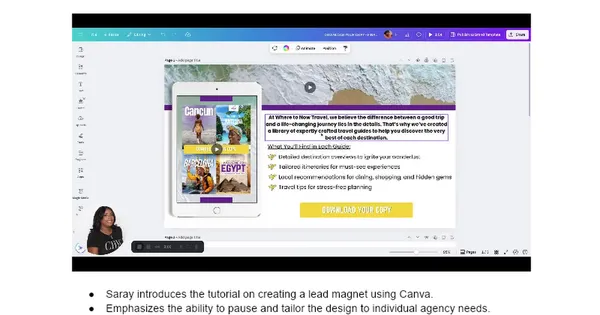
Have you ever downloaded a lead magnet that felt like it was designed by a committee of sleepy robots? Same here. That’s why I’ve always tried to inject a little personality—even a dash of quirk—into the designs I create for my clients. On a humid summer night last July, I helped my friend Kelly at where2nowtravel break out of template purgatory and create a guide that actually felt alive. Here’s how you can do the same in Canva, minus the robotic vibes. The Unspoken Power of Backgrounds: More Than Just a Canvas Ever notice how a static background can make your lead magnet feel flat? Here’s a video background tutorial tip: try searching “beach” in Canva Pro’s video library. A calming beach video instantly adds emotion and depth—especially powerful for travel marketing. In my experiment, I positioned the video to highlight rushing water, and the effect was surprisingly engaging. But don’t just pick what looks pretty. Find media that fits your audience’s vibe, not just your own taste. Sometimes, a subtle pattern or muted texture works better than a splashy video. Remember, brand consistency matters, even with dynamic visuals. As Saray says: “A background should amplify your message, never compete with it.” So, always match the mood to your message. With the right background, your Canva lead magnet design tips will truly stand out.Branding Isn’t Just a Logo: Little Details, Big Impact When customizing Canva templates for your next lead magnet template, remember: branding is in the details. Start by anchoring your design with a bold color block—like the yellow rectangle added at 00:03:35. Don’t just copy your client’s palette; match it exactly. (Trust me, I once used the wrong shade of teal and my client’s reaction was unforgettable!) These little touches—color-matched overlays, grouped elements for easy editing, and structured layouts—keep your text and video from fighting for attention. Experiment with partial overlays for subtle, on-brand accents. And if you’re updating brand elements across multiple Canva templates, group them at 00:13:17 for consistency. Research shows that consistent use of branded elements across your lead magnet pages builds trust and recognition. As Kelly from where2nowtravel says, "Details make the design – it’s where your brand comes alive."Getting Playful with Graphics: The Art of iPad Mockups and Travel Covers When it comes to inserting graphics in Canva for your mini ebook lead magnet structure, picking the right device mockup is key—skip those awkward floating hands! Search for a clean iPad graphic (added at 00:04:26), then import your travel guide covers (at 00:06:31). Resize and crop each cover so it fits snugly inside the iPad, avoiding any wonky edges. Honestly, I once spent 20 minutes fixing a crooked cover, only to realize my iPad was upside down. Oops. Next, adjust the video background’s transparency (at 00:08:10) to prevent visual overload. There’s a real sense of satisfaction when everything lines up just right—celebrate that moment! Whether you choose realistic graphics or playful, illustrated options, remember: “Mockups are like stage props — they set expectations for content quality.” – Saray Research shows these visuals boost travel marketing design conversions.Call-to-Action Buttons: Your Digital Welcome Mat Designing call to action buttons in Canva is where your lead magnet truly comes alive. Start by adding a rectangle for your ‘Download Your Copy’ button—rounded corners and your brand colors keep it inviting, not overwhelming. At 10:05 in the tutorial, this step sets the tone. Next, format the button text: adjust the font, color, and add a subtle shadow for just enough depth (but don’t overdo it). If your first ‘Download’ button doesn’t pop, rewrite it—sometimes it takes three tries before it clicks. Group your CTA with other elements for easy drag-and-drop edits. Trust your gut on button size; templates are just a starting point. Research shows that a simple color tweak, like a bold orange, can double your click rates. “Small tweaks to call-to-action buttons can increase downloads tenfold – don’t settle for your first draft.” – SarayThe Unsung Art of Spacing and Alignment: Avoiding the ‘Everything Everywhere’ Chaos When designing lead magnets in Canva, resisting the urge to fill every inch is key. White space is like air for your ideas – don’t suffocate your message. – Saray. Start by adding your opening message and benefits (around 15:37 in the tutorial), but leave generous space around text boxes. For bullet points, align each one with an icon—like a bright little plane—for extra visual appeal (see 19:04). It’s tempting to rush, but my process always begins messy. Only after a few tweaks—using invisible rectangles as alignment guards—does everything snap into place. Don’t forget to check symmetry and adjust your call-to-action button’s size (23:22). Sometimes, the best alignment happens when you return with fresh eyes the next morning. Research shows that aligning design elements and using white space not only boosts readability but makes your lead magnet look polished and professional.Just Because You Can, Doesn’t Mean You Should: Decorative Elements and Restraint When designing lead magnets in Canva for marketing, it’s tempting to add every fun element you find. But here’s the secret: less is more. Try adding playful, on-brand décor—like a subtle shadow globe (added at 24:13 in the tutorial)—but always adjust transparency so your engaging visuals in Canva don’t overpower your content. I once let a globe graphic nearly swallow my headline; lesson learned! Listen to that elusive designer’s gut feeling to know when your canvas is truly done. Pick one wild card element, not five. Trust your instincts over any checklist, because your brand’s personality is unique. As Kelly says, “One or two decorative touches go a long way—think impact, not clutter.” Research shows that selective use of decorative graphics supports visual interest without compromising clarity. Stay focused on your message.The Human Touch: Experimentation, Iteration, and the Future ‘You’ When you dive into any Canva lead magnet tutorial, remember: it’s not about copying a template—it’s about pausing, experimenting, and making tweaks for your real audience. Creating lead magnets for client projects in Canva means thinking beyond your screen. Will your design feel like a gift or just another transaction? Imagine your guide printed and mailed—would it still shine? Research shows that iterative testing and real feedback make your lead magnets more memorable and effective. So, don’t be afraid to hit pause and try something wild. As Saray says, "Never be afraid to hit pause and try something wild — the best designs often come from experiments gone right." For more hands-on guidance, check out the Loom tutorial: watch here. Thanks for reading—now remix your guide for your next big campaign!TL;DR: Creating a great lead magnet in Canva is about more than following steps: it’s about blending creativity with strategy and remembering the real people you want to engage. Try a video background, brand your buttons, and never underestimate a well-placed icon! Watch the Tutorial Here
6 Minutes Read

Jun 11, 2025
Rough Waters Ahead: The CDC Layoffs, Cruise Ship Sanitation, and a Norovirus Surge
CDC Cuts Entire Vessel Sanitation Program Staff Amid Rising Cruise Ship OutbreaksCBS News and Travel + Leisure reported in April 2025 that the CDC laid off all full-time workers from its Vessel Sanitation Program. The program, running since 1975, has been a cruise industry partner for decades, handling ship inspections and outbreak responses. Interestingly, cruise lines voluntarily participate and completely fund the VSP themselves.The timing couldn't be worse. Cruise operators are currently battling a new norovirus strain that's causing havoc across U.S. ships. The VSP website shows 12 outbreaks already this year - most from norovirus. Last year? Just 18 total. Yikes.These cuts are part of a bigger CDC downsizing pushed by Health and Human Services Secretary Robert F. Kennedy Jr. But don't panic completely - 12 U.S. Public Health Service officers are still around to keep things running, sort of.The Cruise Lines International Association told Travel + Leisure they expect the program to continue functioning. Their spokesperson pointed out that since Public Health Service officers mainly run the program anyway, things should keep going - though probably not at full steam.Industry experts think cruise companies will step up. Iain Hay from Anchor Hygiene Services, who knows cruise ship health inside out, mentioned that since the industry already pays for the program, they'll likely keep supporting vessel sanitation initiatives no matter what the government does. He also noted something surprising - the VSP actually exists because cruise lines wanted tougher standards than what the FDA gave hotels. They actually value these high standards.CLIA bragged about the cruise sector's health protocols - cleaning, passenger screening, inspections - saying they're better than other hospitality businesses. They also made an important point: cruise lines are literally the only travel sector that regularly reports illnesses to the CDC. So all that data you see about cruise ship outbreaks? It doesn't mean ships are dirtier than hotels or planes. Those places just don't have to report their problems!Ships in the program get surprise inspections twice yearly. These cover everything from medical facilities to swimming pools to ventilation systems. Results go public on the CDC website - 86 or higher is passing. In the last six months, Disney Magic, Virgin Voyages' Valiant Lady, and Explora I all scored perfect 100s. The 24-year average? An impressive 95.95. So what's this all mean for cruise ship health inspections going forward? The CDC layoffs impact definitely change things, especially with norovirus outbreaks 2025 trending upward. But with the cruise industry's financial backing and commitment to high standards, the vessel sanitation funding will likely continue in some form. After all, cruise health protocols have always been about protecting passengers - and the industry's reputation.
3 Minutes Read
May 30, 2025
Stop Manually Posting Instagram Stories—Let Automation Do the Magic (and Save Your Engagement)
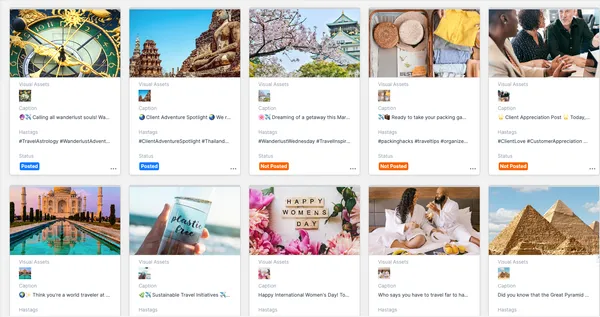
Confession: I once missed a dream booking simply because I forgot to post an Instagram Story during a client meeting. Sound familiar? If juggling DMs, emails, and hopeful travelers is stressing you out, your Stories probably take the hit first. But here's a (slightly embarrassing) truth—consistency, not chaos, wins on Instagram. Let’s rethink how you show up in Stories before your dream clients forget you exist.1. Why Manual Posting is Sabotaging Your Instagram EngagementIf you’re still manually posting Instagram Stories, you’re likely missing out on bookings and engagement. Here’s the reality: most travel agents skip posting when they get busy, which means you fade from your audience’s memory. In today’s fast-paced world, Instagram Stories hacks are essential for staying top-of-mind and boosting engagement.The Instagram algorithm plays favorites. It rewards accounts that post Stories consistently. When you post sporadically, your Stories get less visibility, and your content is buried under more active accounts. Research shows that Stories are prioritized in users’ feeds for recent, active accounts (Sprout Social). In fact, posting just 3-5 Stories per week is ideal for beginners (Later.com), and Reels get 36% more reach than other post types (Forbes/Brand24). That’s a huge opportunity you can’t afford to skip.Stories act as a lifeline to your audience. Unlike regular posts that can get lost in the feed, Stories always appear at the top, making them a direct hotline to your potential clients. Consistency here isn’t just a nice-to-have—it’s a major factor in Instagram marketing strategies that work. When you rely on manual posting, it’s easy to let days slip by without sharing anything, especially during busy periods. That’s when you lose engagement opportunities and, ultimately, bookings.Missing Stories = missed bookings: If you skip Stories, you’re missing chances to connect and convert.The algorithm plays favorites: Regular posting means more visibility and higher engagement.Stories as a lifeline: They keep you front and center with your audience, unlike posts that get lost.Smart automation tools for content scheduling let you batch-create and schedule Stories, ensuring you never miss a beat—even on your busiest days. As Mai-Britt Amsler, Social Media Consultant, says:“Smart automation isn't about replacing you—it's about letting you focus on client relationships while your content performs in the background.”Automating your Stories isn’t just a time-saver—it’s a proven way to boost engagement and keep your travel brand top-of-mind, every single day.2. How to Build a Scroll-Stopping Story System (Without the Stress)If you’re a travel agent juggling bookings and marketing, manually posting Instagram Stories can quickly become overwhelming—and it’s hurting your engagement. The secret? Build a system that delivers high-quality content consistently, without the daily scramble.Get the FOLLOWR AppFind Viral Content That FitsDon’t reinvent the wheel. Savvy marketers know that sourcing proven, viral content from your niche saves time and boosts results. Look for Instagram Story ideas that already resonate with your audience, then adapt them to fit your brand voice. This approach ensures you’re always sharing content that’s relevant and engaging.Make It Unmistakably YoursBrand recognition matters. Use the 9:16 vertical format, and don’t be afraid to get creative—even if design tools like Canva feel intimidating at first. Add your logo, use your brand colors, and layer on unique text overlays or stickers. Research shows that high-quality, unique content builds brand trust and helps you stand out in a crowded feed.Batch Like a ProSet aside just one hour each week to batch your Stories. This simple content scheduling habit streamlines your workflow and reduces stress. Once your Stories are ready, let marketing automation tools like Later or Buffer handle the posting for you. As Tara B., a travel brand strategist, puts it:“If you can’t remember the last time you took a social media day off, batching and automation are your new best friends.”Optimize for Engagement and AccessibilityDid you know that 70% of Stories are viewed with sound on? Use audio and captions to make your content more accessible and engaging. Schedule Stories to go live when your audience is most active—timing is everything for visibility.Stay Consistent Without BurnoutResearch indicates that posting at least one Story per day keeps you visible and top-of-mind. By batching and automating, you free up time to focus on strategy—not just scheduling. Marketing automation tools are increasingly important for travel agents who want to streamline their efforts and grow their audience.3. Nudge Your Audience—And the Algorithm—With Interactive FeaturesWant to boost engagement and keep your travel brand top-of-mind? Interactive features are your secret weapon. Instagram’s own research shows that using polls, quizzes, and question boxes in Stories can significantly increase engagement. These simple tools turn passive viewers into active participants—suddenly, you’re not just broadcasting; you’re having a conversation.Polls: Quick, easy, and surprisingly effective. Ask “This or that?” about dream destinations, or let followers vote on your next travel tip. As Sarah Martinez, a boutique agency owner, puts it:“Poll stickers are my hack for sparking quick replies—suddenly, a silent audience is talking back.”Question boxes: Invite your audience to ask about travel hacks, or share their favorite vacation memories. You’ll get valuable insights and ideas for future content.Emoji sliders & quizzes: Even a silly emoji slider (“How excited are you for summer travel?”) can make your Stories memorable. Quizzes test your audience’s knowledge and keep them coming back for more.But don’t stop there. Cross-posting content is a smart engagement tip that saves time and increases your reach. That killer Instagram Story? With a few tweaks, it becomes a Facebook update, a LinkedIn post, or even a TikTok snippet. There’s no shame in recycling—just make sure to adjust the format for each platform.Next, analyzing performance is key. Track which Stories get the most replies, taps, or shares. Research shows that recycling high-engagement content maximizes efficiency and keeps your feed fresh. Just don’t overdo it—space out repeats to avoid audience fatigue.And here’s a stat worth remembering: 46% of users want educational content in Stories . Share quick travel tips, packing hacks, or destination highlights. Not only does this position you as an expert, but it also gives your audience real value—making them more likely to engage and book with you.4. The (Not-So-Secret) Art of CTAs and TimingWhen it comes to Instagram Stories marketing, timing and a strong call-to-action (CTA) are your secret weapons. If you want to see real engagement and bookings, you can’t just hope your audience will figure out what to do next. You need to spell it out. As Jen Lilley, Cruise Specialist, puts it:“No CTA, no action. I learned the hard way that assuming people know what to do is a costly mistake.”So, what does an effective call-to-action look like? It’s simple, direct, and tells your followers exactly how to book, learn more, or get in touch. Whether you want them to reply to a Story, click a link, or send a DM, don’t leave it to chance. Research shows that effective CTAs drive interaction and conversions—two things every travel agent wants more of.But even the best CTA won’t help if your Stories aren’t seen. That’s where timing comes in. The Instagram algorithm favors recency, meaning your Stories appear at the top of your followers’ feeds when posted at the right time. The best times to post are unique to your audience, so experiment for a week—try mornings, afternoons, and evenings—and see when engagement spikes. Once you know your audience’s habits, schedule your Stories for those windows. Automation tools make this easy, ensuring you never miss a peak moment, even on your busiest days.Another pro tip: recycle your top-performing Stories, but don’t overdo it. Think of them as your “greatest hits”—space them out so your audience stays interested, not fatigued. Posting at least once per day keeps you visible and relevant, but mixing up your content keeps things fresh.In the end, the art of CTAs and timing isn’t just about getting noticed—it’s about driving real results. By combining effective call-to-action prompts with strategic posting times, you’ll maximize your Instagram Stories marketing and turn passive viewers into active clients. Remember, consistency and clarity are your best friends on the road to higher engagement and more bookings.TL;DR: Automating Instagram Stories frees you to focus on what matters, ensures consistent engagement, and helps book more clients—without burning out. Set up a smart system and let your stories work for you.
7 Minutes Read
May 28, 2025
Suitcase Shock: What Southwest’s ‘Bags Fly Free’ Farewell Means For Travelers
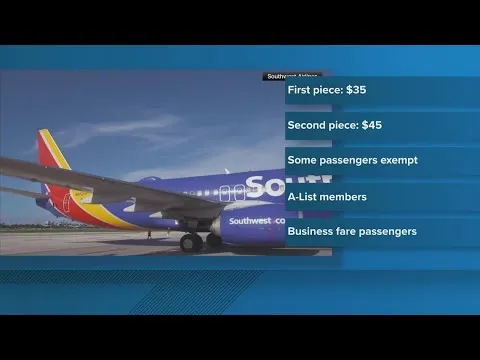
Picture this: Nine years ago, I proudly wheeled two overstuffed suitcases and a questionably legal-size duffel right onto a Southwest flight, blissfully unaware of airline baggage fees. That golden age ends tomorrow as Southwest scraps its Bags Fly Free policy. If you’ve ever scavenged for shoe space to avoid a baggage charge, this change is going to hit home—and your wallet. The Untold Reasons Behind the Policy Shift Tomorrow marks a turning point for Southwest Airlines and its loyal travelers. The airline’s famous “bags fly free” policy—long a selling point that set it apart from competitors—will officially end. Starting then, you’ll need to pay $35 for your first checked bag and $45 for your second. For many, this is more than just a policy update; it’s the end of an era in American air travel. Southwest Airlines luggage fees have been a hot topic for years, mostly because there weren’t any. While other major carriers introduced checked baggage fees as far back as 2008, Southwest held out, maintaining its two free checked bags policy. This move wasn’t just about customer service; it became a core part of Southwest’s identity and a major reason many travelers chose them over rivals. So, why the sudden change? Industry insiders point to several possible motivations behind these checked baggage policy changes. First, operational costs have been climbing across the airline industry. Fuel prices, labor contracts, and airport fees are all on the rise. Research shows that airlines nationwide have responded by increasing ancillary fees, with baggage charges now a major revenue stream. In fact, Southwest was the last of the major U.S. airlines to hold out against these pressures. There’s also the matter of competitive moves. As other airlines raked in billions from baggage fees, Southwest’s “bags fly free” perk became both a marketing advantage and a financial burden. Industry pressure to keep up with revenue trends likely played a role. Studies indicate that even loyal customers are becoming accustomed to paying for checked bags, making it easier for Southwest to make this switch without losing too much business. But the story isn’t just about numbers and industry trends. For many travelers, this feels personal. I still remember a flight back in spring when a favorite Southwest cabin crew member leaned in and whispered, “Big changes are coming soon—enjoy the free bags while you can.” At the time, it sounded like just another rumor. Now, it’s reality. The new Southwest fees in 2024 are straightforward: $35 for your first checked suitcase, $45 for the second. If you’re an A-List tier flyer or you’ve booked a business fare, you’ll still enjoy free checked bags. For everyone else, the days of packing without worrying about extra charges are over. Actually, the end of an era. Starting tomorrow, you'll have to pay for checked luggage on Southwest Airlines. This shift means travelers will need to rethink how they pack and budget for trips. The Southwest Airlines luggage fees may feel like a shock, but they reflect a broader trend across the industry. As the “bags fly free” era ends, most Southwest passengers will now face the same checked baggage policy changes that have become standard elsewhere. Who Gets a Free Pass? (Spoiler: Not Most of Us) As Southwest Airlines officially says goodbye to its “bags fly free” promise, you might be wondering: does anyone still get to check a suitcase without shelling out extra cash? The answer, as it turns out, is yes—but only if you’re among a select group of travelers. For most passengers, this marks a new era of travel budgeting and a shift in how Southwest stacks up against other elite tier airlines. Here’s the deal: starting tomorrow, every Southwest flyer will face a $35 fee for their first checked bag and $45 for the second. That’s a significant change for an airline that built its reputation on keeping things simple and affordable. But, as with most things in air travel, there’s a catch—one that might sting if you’re not part of the inner circle. Elite Status and Business Fare: The Golden Tickets Research shows that not all passengers will face these new fees. If you’re an A-List tier member—Southwest’s version of an elite frequent flyer—or you’ve booked a business fare, you’re in luck. “Certain travelers won't have to pay for that checked luggage, including a list tier flyers along with business fare passengers.” That’s straight from the airline’s new policy, and it means these select travelers will keep their baggage perks even as the rest of us reach for our wallets. A-List Tier: This is Southwest’s elite status, earned by flying frequently or racking up enough points. It’s not easy to reach, but the perks—like free checked bags—are real. Business Fare: If you’re flying on a business fare ticket, you’ll also dodge the new baggage fees. These tickets cost more, but the perks can add up, especially for frequent business travelers. Fine Print: Perks, Exclusions, and the ‘A List’ Threshold Let’s break down what it takes to join this exclusive club. The A-List tier isn’t handed out lightly. You’ll need to fly at least 25 qualifying one-way flights or earn 35,000 tier qualifying points in a calendar year. For many, that’s a tall order—especially if you’re an occasional traveler or someone who prefers to hunt for the best deal, regardless of airline. Business fare perks are a little more straightforward: pay for the premium ticket, and you’ll get the perks. But for families, students, and budget-conscious flyers, these options might feel out of reach. The majority of Southwest passengers will now have to factor baggage fees into their travel budget tips and rethink how they pack—or even which airline they choose. A (Slightly Jealous) Rant About Loyalty Clubs Let’s be honest: loyalty clubs and elite tiers sound great in theory, but how often do they really match up with the way most of us travel? For the frequent flyers and business travelers, these changes might not even register. But for everyone else, it’s a reminder that the perks of elite tier airlines and business fare perks often feel just out of reach. As Southwest flight news makes headlines, the reality is clear: select Southwest members and ticket classes avoid the new fees, but the majority of passengers will pay. The end of “bags fly free” is here—and unless you’re in that coveted A-List or business fare group, your suitcase just got a little more expensive to bring along.Packing Strategies in an Era of Luggage Fees The end of Southwest Airlines’ “bags fly free” policy marks a turning point for U.S. domestic air travel. As of tomorrow, travelers will face new checked baggage fees—$35 for the first bag, $45 for the second (0.16-13.94). For many, this airline baggage price increase isn’t just a minor inconvenience. It’s a wake-up call to rethink how—and what—you pack. If you’re a frequent flyer or a budget-conscious traveler, these changes could hit your travel budget hard. Suddenly, every item in your suitcase feels like it comes with a price tag. The days of tossing in “just in case” outfits are over. Now, it’s about maximizing every inch of your carry-on and making tough decisions about what’s truly necessary. Think of your suitcase as a tiny apartment with sky-high rent for every extra square foot. That extra pair of shoes? It’s like paying for a second bedroom you’ll never use. In this new era, packing light isn’t just a preference—it’s a survival skill. Research shows that travelers are already adjusting, with many turning to carry-on only strategies and creative packing solutions to avoid those new Southwest Airlines luggage fees. Compression cubes are quickly becoming a traveler’s best friend. These handy tools let you squeeze more into less space, making it easier to fit everything you need into a single carry-on. But even with the best packing gadgets, you’ll need to be ruthless. Ask yourself, “Do I really need this?” before every item goes into your bag. If you’re not sure, leave it out. The cost of overpacking is no longer just inconvenience—it’s a direct hit to your wallet. It’s not just about saving money, either. With airlines like Southwest now charging for checked bags, the entire travel experience shifts. You’ll spend less time waiting at baggage claim and more time breezing through the airport. But there’s a trade-off: less room for souvenirs, backup outfits, or that extra pair of sandals you might wear once. The pressure to pack efficiently is real, and it’s changing the way we think about travel. Imagine a future where airlines charge by shoe count or even by the pound. It sounds far-fetched, but with the current trajectory of airline baggage fees, it’s not entirely out of the question. For now, though, the best travel budget tips focus on minimizing what you bring and maximizing the value of every item you pack. As Southwest Airlines passengers adjust to these new fees, the message is clear: packing light is no longer optional. It’s a necessity. Whether you’re a seasoned road warrior or an occasional vacationer, the smartest move is to treat your suitcase like premium real estate. Every square inch counts, and every dollar saved on baggage fees is money you can spend on your next adventure. TL;DR: Southwest Airlines is retiring its free checked bag policy: regular passengers now pay $35 for the first checked bag and $45 for the second, but select travelers—like elite members and business fare flyers—still get perks. Time to reassess your packing strategy!
8 Minutes Read

May 28, 2025
Beyond the Beaches: How Bali Reinvents Itself for the Modern Explorer
The first time stepping off the plane in Bali, the warmth hits before the sun ever does—part humidity, part the infectious grins of locals offering help unprompted. One traveler, arriving at midnight, was handed a single frangipani flower at the airport and instantly felt at home. That was years ago, but Bali’s uncanny welcome remains legendary. Skip the predictable snapshots for a tour of the living, breathing energy behind the world's favorite 'Island of Gods.' More Than Sun and Sand: A Destination That Recharges the Soul Bali’s reputation as a paradise for surfers is only the beginning of its story. Over the years, the island has transformed into a holistic lifestyle mecca, drawing not just wave-chasers but also wellness seekers, spiritual pilgrims, yogis, designers, and celebrities. This evolution is rooted in Bali’s deep Cultural Heritage—a living tapestry of rituals, architecture, and daily customs that set it apart from other tropical destinations. Everywhere you look, Bali’s landscapes are dotted with more than 10,000 Hindu temples. These sacred spaces, from the majestic Pura Besakih to the clifftop Pura Luhur Uluwatu, anchor the island’s spiritual identity. Daily life is colored by the canang sari offerings—small, handwoven baskets filled with flowers and incense—placed on doorsteps, shrines, and even motorbikes. These acts of devotion are not just for show; they reflect the Balinese belief in harmony and gratitude, shaping the rhythm of everyday life. One of the most remarkable cultural experiences is Nyepi, the Balinese New Year. In March, the island comes alive with vibrant parades featuring ogoh-ogoh—giant demon effigies—before entering a 24-hour period of complete silence. During Nyepi, the entire island, including the airport, shuts down. No lights, no vehicles, and no noise. For visitors, it’s a rare opportunity to witness a community-wide commitment to reflection and renewal, a testament to the island’s enduring Cultural Heritage. Beyond temples and ceremonies, Bali’s landscapes are equally captivating. The UNESCO-listed Tegallalang rice terraces are a favorite among both spiritual seekers and photographers. Cycling through these emerald-green paddies with a local guide offers a unique perspective on the island’s agricultural traditions and the importance of sustainable practices. Recent years have seen a growing emphasis on Sustainable Tourism, with travelers encouraged to engage more deeply with local culture and support eco-friendly initiatives. Research shows that in 2025, Bali Tourism is focusing on promoting longer, more meaningful stays and encouraging higher spending that benefits local communities. But perhaps what truly sets Bali apart is the warmth of its people. Balinese hospitality is legendary—visitors often remark on how quickly strangers become friends. Whether sharing a meal, joining a temple ceremony, or simply chatting with a local driver, there’s a genuine sense of connection and well-being that permeates every interaction. As Giordano Faggioli, general manager of Ayana Estate, puts it: "Bali offers everything from relaxation and exploration to spiritual rejuvenation and adrenaline-pumping adventures." This unique sense of belonging is woven into the fabric of Bali’s Cultural Heritage and is a cornerstone of the island’s appeal. The focus on Sustainable Tourism ensures that as Bali continues to welcome a growing number of visitors—over 470,000 in March 2025 alone—the island’s traditions and natural beauty remain protected for generations to come.Neighborhood Charisma: Where the Island’s True Color Shines Bali’s neighborhoods are as diverse as its landscapes, each offering a distinct flavor that appeals to every type of traveler. As Bali Tourism continues to thrive—research shows a 4.47% increase in tourist visits in March 2025 alone—these charismatic enclaves are at the heart of the island’s enduring appeal. Seminyak Beaches: Where Nightlife Meets Luxury Seminyak stands out as Bali’s premier beach district, seamlessly blending high-energy beaches with a vibrant nightlife and upscale living. Here, the shoreline is dotted with world-famous beach clubs like Potato Head and Ku De Ta, where sunset cocktails and DJ sets are the norm. The area is also home to luxury villas, boutique hotels, and designer shops, making it a magnet for those who crave both relaxation and excitement. As one guest put it, 'The long turquoise pool at Katamama Suites is perfect for travelers who crave both serenity and connection.' With its lively atmosphere and endless options for dining and entertainment, Seminyak Beaches remain a cornerstone of Bali Tourism, attracting visitors from Australia, India, Europe, and beyond. Canggu Nightlife: The Trendsetting Hub Just up the coast, Canggu has rapidly evolved into a hotspot for digital nomads, surfers, and culinary creatives. Once a sleepy surf village, Canggu now buzzes with stylish boutiques, boho surf shops like Drifter, and hip vegan cafés. The nightlife here is as dynamic as the crowd, with beach bars and live music venues drawing in a youthful, international audience. Canggu’s surf breaks, such as Batu Bolong, are legendary, and the area’s laid-back yet trendsetting vibe continues to set the pace for modern Bali Tourism. Ubud Serenity: The Spiritual and Artistic Heart Moving inland, Ubud offers a different kind of energy—one rooted in wellness, art, and spirituality. Known globally since the days of “Eat, Pray, Love,” Ubud has grown into a sanctuary for yoga enthusiasts, artists, and seekers of tranquility. The Yoga Barn, with over 100 classes each week, draws wellness travelers from around the world. Ubud’s markets, vegan restaurants, and lush rice terraces create an atmosphere of calm and creativity, making it the epicenter of Ubud Serenity. Here, visitors can immerse themselves in Balinese culture, explore ancient temples, or simply unwind amid the emerald jungles. Wild Card: Nusa Lembongan’s Untouched Charm For those looking to escape the crowds, Nusa Lembongan—along with neighboring Nusa Penida—offers a glimpse of Bali’s quieter, less developed side. Accessible by a short boat ride from Sanur, this island is a haven for saltwater adventures, from snorkeling and diving to surfing uncrowded waves. The pace is slower, the beaches less crowded, and the vibe reminiscent of old Bali. It’s a favorite for travelers seeking a more authentic, off-the-beaten-path experience. Each neighborhood—Seminyak, Canggu, Ubud, and the Nusa islands—showcases a unique side of Bali. Whether it’s the buzz of Seminyak Beaches, the creative pulse of Canggu Nightlife, the peaceful embrace of Ubud Serenity, or the untouched charm of Nusa Lembongan, Bali’s neighborhoods are where the island’s true color shines. Studies indicate that this diversity is a key driver behind Bali Tourism’s ongoing growth, ensuring there’s something for everyone on this ever-evolving island.Bali’s Art of Living: Staying, Eating, and Shopping in the Now Bali’s modern allure goes far beyond its famous beaches. For the contemporary explorer, the island offers a unique blend of tradition, luxury, and creativity—a combination that continues to draw foreign tourists and keep Bali tourism thriving. Research shows that the average length of stay for foreign tourists in Bali has increased to 3.01 nights by November 2024, a testament to the island’s growing appeal and the depth of experiences available. It often starts with a sunrise. Imagine waking at 3 AM, hiking up Mount Batur, and watching the first light spill over volcanic peaks. As one traveler put it, “The sun rising over Mount Batur is a reminder—I never regret setting my alarm for 3 AM.” After the descent, a simple nasi campur at a roadside warung completes the moment—an authentic taste of Bali’s living, where every day can begin with adventure and end with local flavor. When it comes to where to stay, Bali’s accommodations set a global standard. The Four Seasons Resort at Sayan, famously chosen by the Obamas and Julia Roberts, offers secluded villas with private pools in a lush jungle setting. Capella Ubud is another standout, featuring 22 unique tented retreats suspended above the forest floor, each designed to blend seamlessly with nature. Katamama Suites in Seminyak celebrates Indonesian craft with a modern twist, while Como Uma Canggu delivers wellness and surf culture right on the coast. For romance and privacy, Ayana Villas provides 78 exclusive villas surrounded by ocean views and tropical gardens. Bali’s culinary scene is equally innovative. At Zest in Ubud, plant-based cuisine takes center stage, with dishes like jackfruit steak and cassava fettuccini served beneath a living frangipani tree. Cuca Restaurant offers a nine-course vegetarian-friendly tasting menu, where each dish—from sticky eggplant sushi to BBQ octopus—highlights local ingredients and creative flair. Kaum brings the flavors of Indonesia’s archipelago to the table, focusing on traditional techniques and fiery sambals. Even roadside warungs and hidden gems like Hujan Locale surprise with inventive cocktails and contemporary takes on local classics. Shopping in Bali is an adventure in itself. Gaya Ceramic, founded by an Italian couple, employs a team of 100 artisans to create handmade ceramics that are both functional and beautiful. Canaan x Rou curates local crafts, from shibori-dyed clothing to artisanal fans and wabi sabi–inspired ceramics. Fashion-forward travelers flock to Magali Pascal for French-inspired womenswear with an earthy Balinese twist, while Drifter surf shop in a reclaimed joglo house offers everything from technicolor boards to original art and boho jewelry. From mountaintop breakfasts to artisan shopping and hyper-local flavor, Bali’s art of living is a seamless blend of tradition and innovation. This is the Bali Travel Guide for the modern explorer—where every stay, meal, and purchase tells a story, and where Bali tourism continues to evolve for those seeking something truly special. When to Land in Paradise: Getting Timing and Getting Around Right Bali Province has long been a magnet for foreign tourists, but timing your visit can make all the difference between a good trip and an unforgettable one. With travel restrictions now eased and flight connectivity better than ever, Bali’s tourism numbers are booming—March 2025 alone saw 470,851 arrivals, a 4.47% increase year-on-year. This growth is no accident. Improved access and targeted promotional efforts have made it easier for travelers from Australia, India, Europe, and beyond to experience the island’s magic. But when is the best time to land in paradise? For many, the answer depends on what you seek. Bali’s weather is reliably warm year-round, with average temperatures in the high 70s and 80s Fahrenheit. The dry season, from June to August, is widely considered the best time to visit. These months offer daily sunshine and ideal conditions for exploring beaches, rice terraces, and temples. Surfers flock to the west coast from May to October, chasing world-class waves before winds shift to favor the east coast later in the year. Meanwhile, yogis and wellness seekers often prefer the quieter shoulder months, when the island’s spiritual energy feels especially vibrant and the crowds thin out. Yet, there’s one wild card that sets Bali apart: Nyepi, the Balinese New Year, which falls every March. On this day, the entire island—including Denpasar-Ngurah Rai International Airport—shuts down for a 24-hour silent retreat. No flights, no cars, no lights. Just the sound of nature and, if the skies are clear, a dazzling display of stars. As one visitor put it, “I thought nothing could top a Bali sunset—until I saw the Milky Way during Nyepi.” For those who time their trip right, Nyepi offers a rare chance to experience Bali’s spiritual core and a sense of stillness that’s hard to find anywhere else. Getting around the island is another essential part of the Bali experience. While most visitors rent motorbikes for convenience, the absence of Uber and other international ride-sharing apps means local taxis and private drivers are the go-to options for many. Hiring a Balinese driver isn’t just about comfort—it’s a gateway to local insight, hidden gems, and a deeper connection to the island’s culture. Many drivers double as informal guides, sharing stories and recommendations that rarely make it into guidebooks. For those less inclined to navigate Bali’s winding roads on two wheels, this option can transform a trip from ordinary to extraordinary. Understanding Bali’s seasons, silent festivals, and unique travel logistics is key to a richer, smoother experience. With eased travel restrictions and improved flight connectivity, there’s never been a better time to explore Bali Province. Whether you’re chasing waves, seeking spiritual renewal, or simply soaking up the sun, timing your arrival and choosing the right way to get around will help you make the most of this ever-evolving island paradise.TL;DR: Skip the surface—Bali rewards the intrepid with a heady mix of old-world rituals, inspired design, striking scenery, tropical flavor, and a spirit that lingers long after your tan fades. REQUEST YOUR NEXT ADVENTURE WITH TRAVELHOLICS TODAY
11 Minutes Read