.png&w=1280&q=75)

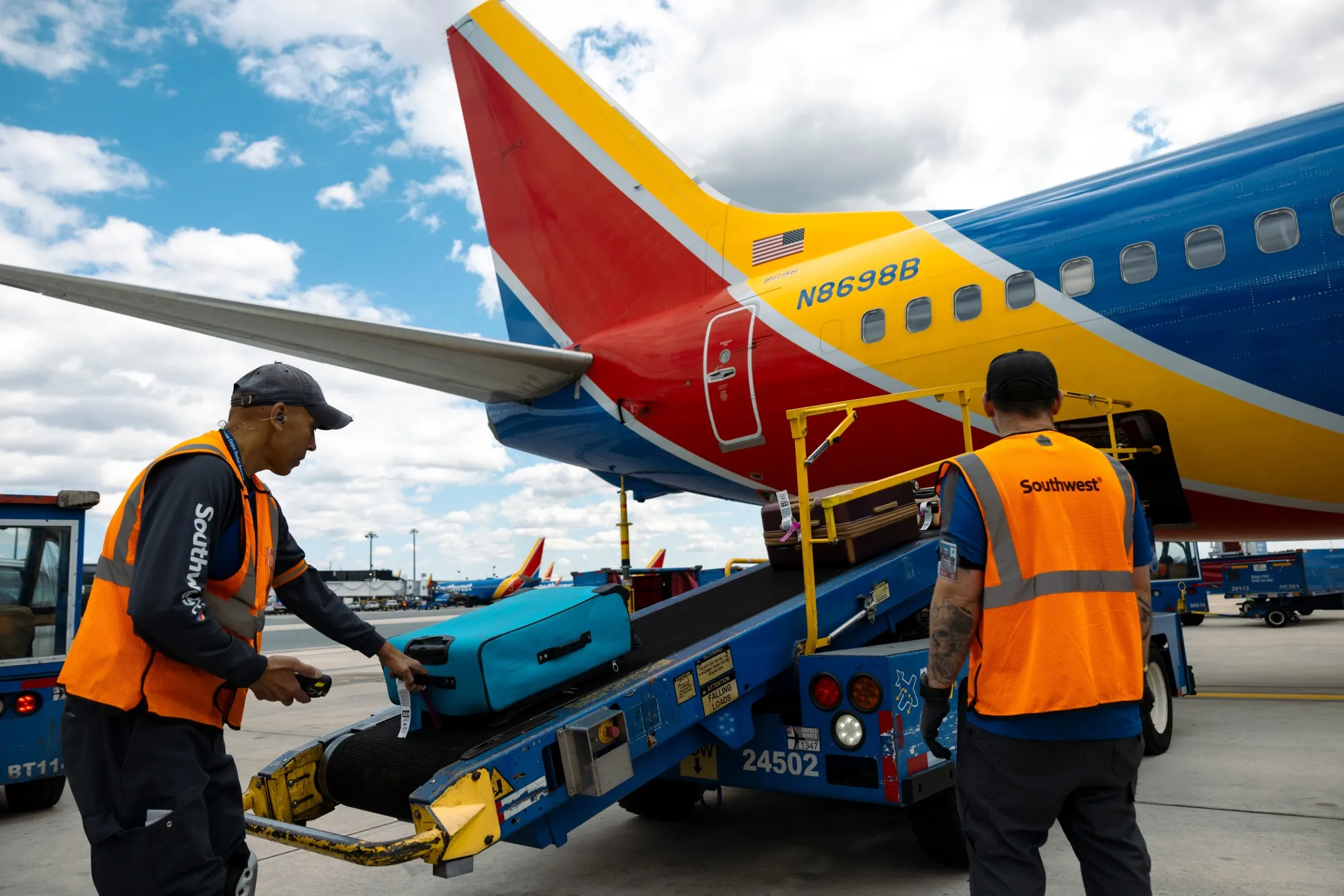
Picture this: Nine years ago, I proudly wheeled two overstuffed suitcases and a questionably legal-size duffel right onto a Southwest flight, blissfully unaware of airline baggage fees. That golden age ends tomorrow as Southwest scraps its Bags Fly Free policy. If you’ve ever scavenged for shoe space to avoid a baggage charge, this change is going to hit home—and your wallet.
The Untold Reasons Behind the Policy Shift
Tomorrow marks a turning point for Southwest Airlines and its loyal travelers. The airline’s famous “bags fly free” policy—long a selling point that set it apart from competitors—will officially end. Starting then, you’ll need to pay $35 for your first checked bag and $45 for your second. For many, this is more than just a policy update; it’s the end of an era in American air travel.
Southwest Airlines luggage fees have been a hot topic for years, mostly because there weren’t any. While other major carriers introduced checked baggage fees as far back as 2008, Southwest held out, maintaining its two free checked bags policy. This move wasn’t just about customer service; it became a core part of Southwest’s identity and a major reason many travelers chose them over rivals.
So, why the sudden change? Industry insiders point to several possible motivations behind these checked baggage policy changes. First, operational costs have been climbing across the airline industry. Fuel prices, labor contracts, and airport fees are all on the rise. Research shows that airlines nationwide have responded by increasing ancillary fees, with baggage charges now a major revenue stream. In fact, Southwest was the last of the major U.S. airlines to hold out against these pressures.
There’s also the matter of competitive moves. As other airlines raked in billions from baggage fees, Southwest’s “bags fly free” perk became both a marketing advantage and a financial burden. Industry pressure to keep up with revenue trends likely played a role. Studies indicate that even loyal customers are becoming accustomed to paying for checked bags, making it easier for Southwest to make this switch without losing too much business.
But the story isn’t just about numbers and industry trends. For many travelers, this feels personal. I still remember a flight back in spring when a favorite Southwest cabin crew member leaned in and whispered, “Big changes are coming soon—enjoy the free bags while you can.” At the time, it sounded like just another rumor. Now, it’s reality.
The new Southwest fees in 2024 are straightforward: $35 for your first checked suitcase, $45 for the second. If you’re an A-List tier flyer or you’ve booked a business fare, you’ll still enjoy free checked bags. For everyone else, the days of packing without worrying about extra charges are over.
Actually, the end of an era. Starting tomorrow, you'll have to pay for checked luggage on Southwest Airlines.
This shift means travelers will need to rethink how they pack and budget for trips. The Southwest Airlines luggage fees may feel like a shock, but they reflect a broader trend across the industry. As the “bags fly free” era ends, most Southwest passengers will now face the same checked baggage policy changes that have become standard elsewhere.
Who Gets a Free Pass? (Spoiler: Not Most of Us)
As Southwest Airlines officially says goodbye to its “bags fly free” promise, you might be wondering: does anyone still get to check a suitcase without shelling out extra cash? The answer, as it turns out, is yes—but only if you’re among a select group of travelers. For most passengers, this marks a new era of travel budgeting and a shift in how Southwest stacks up against other elite tier airlines.
Here’s the deal: starting tomorrow, every Southwest flyer will face a $35 fee for their first checked bag and $45 for the second. That’s a significant change for an airline that built its reputation on keeping things simple and affordable. But, as with most things in air travel, there’s a catch—one that might sting if you’re not part of the inner circle.
Elite Status and Business Fare: The Golden Tickets
Research shows that not all passengers will face these new fees. If you’re an A-List tier member—Southwest’s version of an elite frequent flyer—or you’ve booked a business fare, you’re in luck. “Certain travelers won't have to pay for that checked luggage, including a list tier flyers along with business fare passengers.” That’s straight from the airline’s new policy, and it means these select travelers will keep their baggage perks even as the rest of us reach for our wallets.
- A-List Tier: This is Southwest’s elite status, earned by flying frequently or racking up enough points. It’s not easy to reach, but the perks—like free checked bags—are real.
- Business Fare: If you’re flying on a business fare ticket, you’ll also dodge the new baggage fees. These tickets cost more, but the perks can add up, especially for frequent business travelers.
Fine Print: Perks, Exclusions, and the ‘A List’ Threshold
Let’s break down what it takes to join this exclusive club. The A-List tier isn’t handed out lightly. You’ll need to fly at least 25 qualifying one-way flights or earn 35,000 tier qualifying points in a calendar year. For many, that’s a tall order—especially if you’re an occasional traveler or someone who prefers to hunt for the best deal, regardless of airline.
Business fare perks are a little more straightforward: pay for the premium ticket, and you’ll get the perks. But for families, students, and budget-conscious flyers, these options might feel out of reach. The majority of Southwest passengers will now have to factor baggage fees into their travel budget tips and rethink how they pack—or even which airline they choose.
A (Slightly Jealous) Rant About Loyalty Clubs
Let’s be honest: loyalty clubs and elite tiers sound great in theory, but how often do they really match up with the way most of us travel? For the frequent flyers and business travelers, these changes might not even register. But for everyone else, it’s a reminder that the perks of elite tier airlines and business fare perks often feel just out of reach.
As Southwest flight news makes headlines, the reality is clear: select Southwest members and ticket classes avoid the new fees, but the majority of passengers will pay. The end of “bags fly free” is here—and unless you’re in that coveted A-List or business fare group, your suitcase just got a little more expensive to bring along.
Packing Strategies in an Era of Luggage Fees
The end of Southwest Airlines’ “bags fly free” policy marks a turning point for U.S. domestic air travel. As of tomorrow, travelers will face new checked baggage fees—$35 for the first bag, $45 for the second (0.16-13.94). For many, this airline baggage price increase isn’t just a minor inconvenience. It’s a wake-up call to rethink how—and what—you pack.
If you’re a frequent flyer or a budget-conscious traveler, these changes could hit your travel budget hard. Suddenly, every item in your suitcase feels like it comes with a price tag. The days of tossing in “just in case” outfits are over. Now, it’s about maximizing every inch of your carry-on and making tough decisions about what’s truly necessary.
Think of your suitcase as a tiny apartment with sky-high rent for every extra square foot. That extra pair of shoes? It’s like paying for a second bedroom you’ll never use. In this new era, packing light isn’t just a preference—it’s a survival skill. Research shows that travelers are already adjusting, with many turning to carry-on only strategies and creative packing solutions to avoid those new Southwest Airlines luggage fees.
Compression cubes are quickly becoming a traveler’s best friend. These handy tools let you squeeze more into less space, making it easier to fit everything you need into a single carry-on. But even with the best packing gadgets, you’ll need to be ruthless. Ask yourself, “Do I really need this?” before every item goes into your bag. If you’re not sure, leave it out. The cost of overpacking is no longer just inconvenience—it’s a direct hit to your wallet.
It’s not just about saving money, either. With airlines like Southwest now charging for checked bags, the entire travel experience shifts. You’ll spend less time waiting at baggage claim and more time breezing through the airport. But there’s a trade-off: less room for souvenirs, backup outfits, or that extra pair of sandals you might wear once. The pressure to pack efficiently is real, and it’s changing the way we think about travel.
Imagine a future where airlines charge by shoe count or even by the pound. It sounds far-fetched, but with the current trajectory of airline baggage fees, it’s not entirely out of the question. For now, though, the best travel budget tips focus on minimizing what you bring and maximizing the value of every item you pack.
As Southwest Airlines passengers adjust to these new fees, the message is clear: packing light is no longer optional. It’s a necessity. Whether you’re a seasoned road warrior or an occasional vacationer, the smartest move is to treat your suitcase like premium real estate. Every square inch counts, and every dollar saved on baggage fees is money you can spend on your next adventure.
